The Secrets behind Moroccan Beauty.
-
Moroccan Black Soap
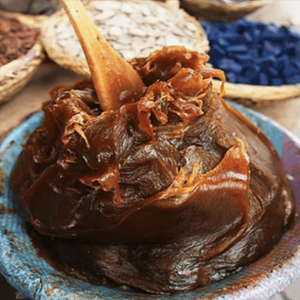
The hammam is the ideal place to try this smooth olive-based exfoliating soap. This natural purifier has been used to cleanse the body since the 19th century and is a quintessential part of the Moroccan beauty regime. Black soap is applied directly to the body, then left to break up the dead skin. It is largely made up of olive oil and macerated olives which give it gel-like texture and rutty green color. Some black soaps are enriched with Moroccan essential oils such as Eucalyptus, Rosemary or Peppermint. Black soap is typically left on the skin for 15 minutes before exfoliating with a coarse washcloth or Moroccan kessa mitt. Moroccan women claim that the scrubbing with the glove is essential as, without usage, the skin will not be exfoliated properly. Moroccan black soap also unique properties that help remove old skin tissue. It is rich in vitamin E and helps improve the soften and tone the skin.
Argan Oil
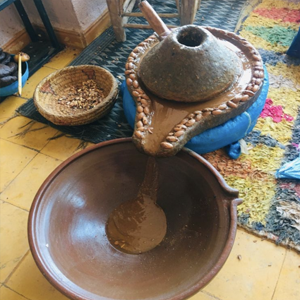
Argan oil seed-bearing trees are indigenous to Morocco and centries old. The Argan nut has been used by the Amazigh people as a holistic cure for brittle nails, split ends, to nourish the scalp, and improve the condition of the skin. For argan oil to deliver the anti-inflammatory compounds it clams to have- these include vitamin E, CoQ10, and polyphenols, and antioxidant properties- the argan oil needs to be cold-pressed and grown in the right conditions. Despite previous attempts to export the Argan tree to other parts of the world, the only two regions where the argania spinosa has proven to grow are in Morocco’s coastal cities of Essaouira and Agadir. During the summer in many Moroccan cities, temperatures can rise beyond 110 degrees. Agadir and Essaouira have a unique climate characterized by strong winds, humidity, and mild temperatures which allow argan trees to thrive. Moroccan Argan is often referred to as “the golden oil” since it is costly and time-consuming to produce. Morocco is the only country where this delicate tree can grow with it taking almost 30 kilograms of nuts to yield 1 kilogram of oil. A 30ml bottle of argan oil cost in the range of $60 dollars or more. In Morocco, however, it is possible to get find the same quantity with significantly higher quality for half the price.
Moroccan Prickly Pear
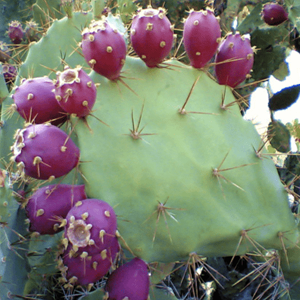
The prickly pear is a newcomer on the beauty scene. Research has demonstrated that prickly pear contains the highest amount of vitamin E compared to any other oil. It has 150% more vitamin E than argan oil. Additionally, it is rich in essential fatty acids that include omega 6 and 9, antioxidants, polyphenols, amino acids, and vitamin K. These super antioxidant properties fight free radicals created from pollution and sun exposure and can help protect against aging and wrinkles. The Prickly Pear’s is highly sought after to reduce scarring, acne, decrease in stretch marks, and brighten the complexion. The Prickly pear cactus grows and thrives in the harsh weather conditions of southern Morocco. Nomadic tribes living in the Sahara use the Prickly Pair for skin hydration and as a protectant.
Moroccan Rose Water
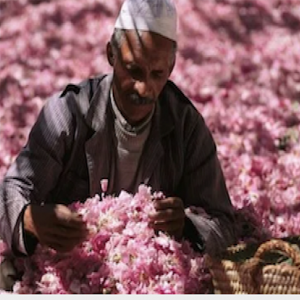
A fragrant water made with the original Persian rose in Morocco that was cultivated a century ago. Each May, Morocco El Kellat des M’gouna Kella Valley celebrates with a grand festival of roses. Rosewater and other products such as hand and body soaps, oil, crème, perfume, and dried flowers are for sale and also popular among Moroccans. The factories produce 3000-4000 petals a year. With ten tons of petals required to produce a few liters of precious water, the harvest is understandably a labor of love. Moroccan women use rose water is as a refreshing toner and body spray. Moroccan rose water softens and soothes the skin. It also has natural astringent properties that can reduce blemishes and make skin less oily. Rosewater is often used after a hammam or after a waxing session because to calm the skin. Rosewater is multi-versatile and has even been rumored to add a pinkier hue to the lips and protect them against sun exposure. Rosewater can also serve as a gentle makeup remover.
Moroccan Ghassoul (rhassoul) Clay
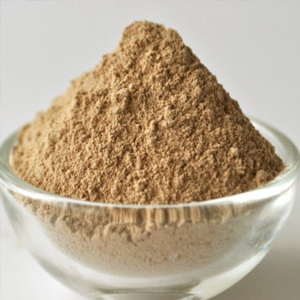
A fragrant water made with the original Persian rose in Morocco that was cultivated a century ago. Each May, Morocco El Kellat des M’gouna Kella Valley celebrates with a grand festival of roses. Rosewater and other products such as hand and body soaps, oil, crème, perfume, and dried flowers are for sale and also popular among Moroccans. The factories produce 3000-4000 petals a year. With ten tons of petals required to produce a few liters of precious water, the harvest is understandably a labor of love. Moroccan women use rose water is as a refreshing toner and body spray. Moroccan rose water softens and soothes the skin. It also has natural astringent properties that can reduce blemishes and make skin less oily. Rosewater is often used after a hammam or after a waxing session because to calm the skin. Rosewater is multi-versatile and has even been rumored to add a pinkier hue to the lips and protect them against sun exposure. Rosewater can also serve as a gentle makeup remover.