For hundreds of years, Moroccan women have been using a variety of natural products and treatments to enhance their beauty and promote healthy skin and hair. Here are our top picks of Moroccan beauty traditions to try at home.Moroccan women are known to respect and adhere to ancestral beauty traditions using only natural products and treatments. Throughout the ages, they have relied on natural herbs, oils and extracts known for their amazing health and beauty properties.
The Amazigh people, indigenous to Morocco, were the first to utilize various plants and herbal mixtures as beauty remedies and cosmetics. Later the Arabs arrived, bringing their own Middle Eastern beauty traditions by way of ancient trade routes.
The fusion of these influential cultures resulted in creative natural beauty treatments that promote flawless, glowing skin and lustrous, healthy hair. Over time, influences from the Saharan desert, Africa and Europe also became part of Moroccan beauty traditions.
Morocco is home to many trees and plants that provide essential oils, essential waters, and other mixtures for enhancing beauty. Among them are the olive tree, almonds, bitter oranges, roses, lavender, prickly pear, and argan tree.
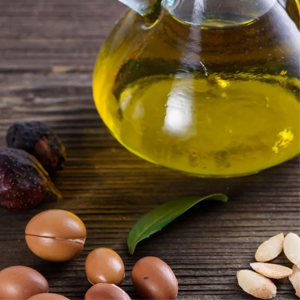
Perhaps the most famous of these is the argan tree. Argan oil is well known for its anti-aging properties and as a skin and hair treatment, and is widely used and distributed throughout Morocco and now the rest of the world.
The traditional method of obtaining argan oil is a laborious process. One by one, the pits or “nuts” of the fruit are hit between rocks to reveal the kernels, which are then ground in a stone mill to extract the oil. This painstaking hand extraction process continues at a number of cooperatives in southern Morocco, providing a valuable source of income to local women.
Argan oil is often called Moroccan “liquid gold” due to its numerous health and beauty benefits. In addition to moisturizing the skin, it can be used to treat multiple conditions including dry skin, eczema, burns and infections.
Argan oil soap offers deep hydration, anti-aging effects, and soothing relief for dry or irritated skin due to its rich Vitamin E and fatty acid content, working to moisturize, balance, repair, and protect skin without stripping natural oils, making it great for acne, eczema, and improving skin's glow and elasticity. It's a gentle, natural cleanser suitable for all skin types, supporting skin health while offering antioxidants and promoting a radiant complexion.
To use on the hair, put a few drops of cosmetic argan oil onto your fingertips, then run your fingers through your hair from the roots to the tips. This will not only help your hair grow, but also treat split ends. Massaging argan oil into the scalp can boost scalp health.
Key Benefits:
Deep Moisturization & Nourishment: Rich in Vitamin E and essential fatty acids (oleic & linoleic), it hydrates, softens, and nourishes skin, preventing dryness and chapping.
Anti-Aging: Antioxidants combat free radicals, reducing fine lines, wrinkles, and improving skin elasticity for a more youthful look.
Soothes Irritation: Anti-inflammatory properties calm redness and inflammation, beneficial for conditions like eczema, psoriasis, and sunburn.
Fights Acne: Antibacterial properties help fight acne-causing bacteria and reduce acne scars, while keeping pores clear.
Balances Skin: Helps balance the skin's natural oils, working for dry, oily, sensitive, and even acne-prone skin.
Improves Skin Texture & Glow: Nourishes skin for a smoother, more radiant, and vibrant appearance.
Gentle Cleansing: Effectively removes impurities without stripping the skin's natural oils, maintaining the skin's moisture barrier.
Supports Skin Health: Helps fade scars, stretch marks, and protects against sun damage and environmental stressors.
 Click To See Our Argan Bar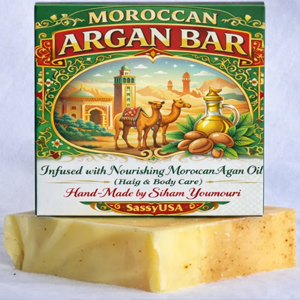
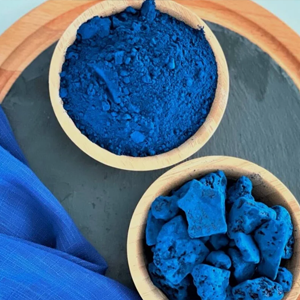
Moroccan Blue Nila Powder is a treasured, natural blue powder from the Sahara, used for centuries in Moroccan hammams to brighten skin, even tone, smooth texture, and reduce dark spots, applied as a paste with water or yogurt for masks, or mixed into scrubs, offering antioxidant, anti-inflammatory, and anti-aging benefits for a radiant, purified complexion.
Moroccan Blue Nila powder, derived from the indigo plant, is a traditional Saharan beauty secret used for skin brightening, evening skin tone, and nourishing dull skin, often in Moroccan hammams and bridal rituals, mixed with yogurt, oils, or black soap for masks or scrubs to achieve a glowing complexion and reduce hyperpigmentation. It offers anti-inflammatory, detoxifying, and anti-aging benefits, but a patch test is crucial due to potential skin sensitivities.
Key Benefits
Brightens & Evens Skin: Reduces dark spots and hyperpigmentation for a radiant, uniform tone.
Nourishes & Softens: Hydrates and smooths skin texture.
Anti-inflammatory: Soothes irritation and redness.
Detoxifies: Draws impurities from the skin.
Hair Care: Strengthens hair roots and adds shine.
 Click To See Our Blue Nila Powder Bar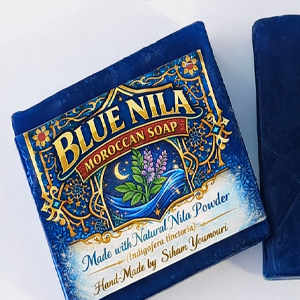
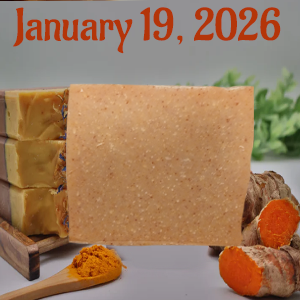
Moroccan carrot and turmeric soap is a natural skincare bar known for brightening, hydrating, and evening skin tone, leveraging carrots for beta-carotene and turmeric for anti-inflammatory benefits, often combined with nourishing ingredients like shea butter, honey, and Moroccan clay for antioxidant-rich, revitalizing cleansing suitable for various skin types, especially dull or blemish-prone skin. It's handcrafted, focusing on natural enzymes, vitamins, and antioxidants to support skin renewal and radiance.
How It Works
Brightens Complexion: Reduces dullness and promotes a natural glow.
Evens Skin Tone: Helps fade dark spots and blemishes for smoother, more uniform skin.
Soothes & Hydrates: Calms inflammation and provides lasting moisture.
Gentle Exfoliation: Natural enzymes in carrots offer mild exfoliation.
 Click To See Our Amazing Carrot and Tumeric Bar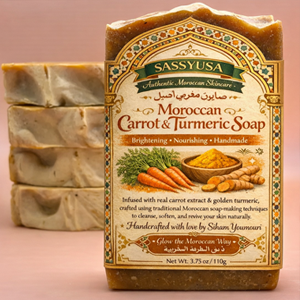
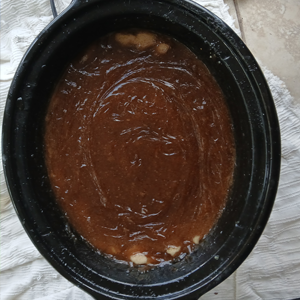
Moroccan black soap (sabon beldi or savon noir) is a brown soft soap made from pureed black olives, glycerol, essential oils and plant extracts. Every region in Morocco has its own exclusive recipe with its own unique additions of plants and oils.
Locals usually buy sabon beldi from Moroccan spice and herb vendors called ‘attars. It’s sold by the dirham or weight, scooped from a tub into a clear plastic bag, and then transferred to a jar or plastic container at home.
More expensive commercial varieties of Moroccan black soap, professionally packaged in jars, can be found in supermarkets and boutiques. The packaged soaps list all the ingredients, whereas the unlabeled bulk soap doesn’t.
Those who wish to create their own Hammam type experience should try our special Moroccan Black Beldi Soap.
 Click To See Our Moroccan Black Beldi Exfoliaqnt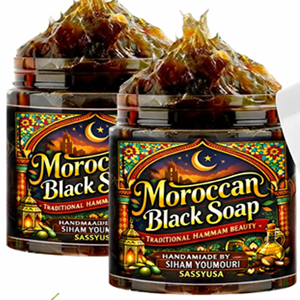
Moroccan black soap is famously used to help exfoliate the skin. Rich in Vitamin E, it softens the skin and cleanses it while adding moisturizing nutrients. Some versions contain lavender oil, others rose oil; in fact, you can find black soaps containing many different extracts.
Black soap is scooped onto the hand and lathered onto the body. It’s left on for at least a few minutes for maximum benefits, then washed off. Next the body is scrubbed to remove dead skin cells. This leaves the skin glowing, clean and extra smooth and soft.
Do It Yourself...Here's How:
Steam & Prepare: Take a hot shower or bath for 5-10 minutes to open pores and soften skin.
Apply Soap: Apply the Beldi soap to your damp skin (avoiding the face initially), massaging gently.
Wait: Let the soap sit on your skin for 5-10 minutes to allow it to work.
Rinse Completely: Rinse the soap off thoroughly with warm water.
Exfoliate: Wet your Kessa glove (or loofah) and scrub your skin with firm, upward/downward strokes to reveal dead skin cells.
Final Rinse & Moisturize: Rinse off the dead skin, pat your skin dry, and immediately apply a natural oil, like Argan oil, to lock in moisture.
Key Tips
Don't Rush the Rinse: Ensure all soap is rinsed off before exfoliating, or the glove won't grip the dead skin effectively.
Gentle but Firm: Use firm pressure with the glove, but avoid vigorous scrubbing on sensitive areas.
Moisturize: Always follow up with a nourishing oil to hydrate your newly exposed skin.
Frequency: Use weekly for deep exfoliation, but patch test first and consult a dermatologist if you have sensitive skin.
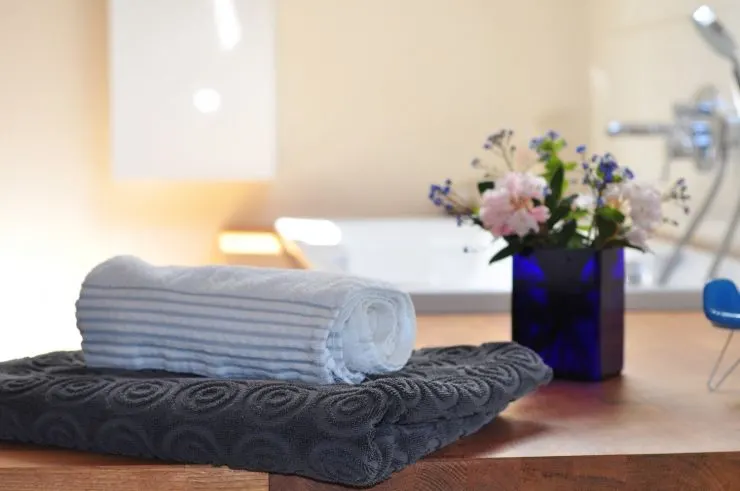
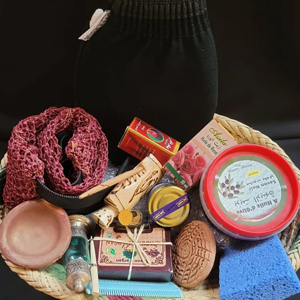
To set up a hammam-like exfoliation at home, you will need an exfoliating glove (kessa or kees), some black soap, a bucket, a small pail or large cup, hot water, and the soap, shampoo and other products that you normally use to shower. A hot, steamy bathroom will help the process along.
First, fill the bucket with water as hot as you can handle. Then, using the small pail, splash your entire body with hot water until you feel that your skin is well-heated.
Next, take some black soap and cover your entire body with it. Leave on for a few minutes, then rinse off.
Now comes the part that foreigners find difficult. Take the exfoliating glove and scrub your entire body. You can start with your arms, a section at a time. Hold the glove firmly to your skin, then maintain that pressure as you rub up and down, repeating several times until you see some gray dead skin rolling off.
This might feel a little rough, but it’s the only way to remove those layers of dead skin.
After scrubbing your upper then lower arms, start at the neck then work down, scrubbing your chest, stomach, sides, buttocks, and down each leg. Rinse frequently while you’re doing this.
After your whole body has been exfoliated and is completely clean of dead skin, give it a final rinse with warm water. You can then shampoo your hair, shave your legs, and do all the other self-care rituals that you normally do while bathing.
After the skin exfoliation, when you dry off and get dressed, you will feel like your skin is unbelievably clean, smooth and super exfoliated. You might also feel a bit drained of energy. This is normal after a long, steamy hammam experience.
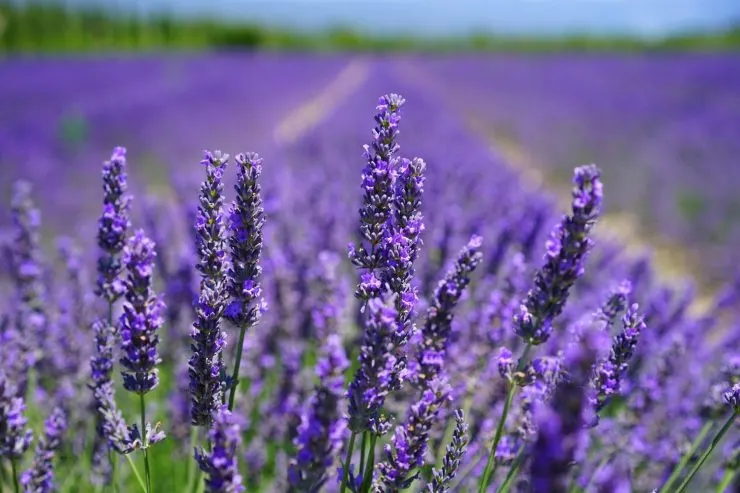
Dried lavender and lavender oil are often sold at neighborhood spice and herb vendors. Not only is lavender antibacterial, it also has a soothing relaxing scent. Cultivated mainly in the mountainous Southwestern regions of Morocco, lavender has been an essential part of Moroccan households for ages. I’ve lived in Morocco for a long time, and have seen women using lavender on both skin and hair to treat all types of conditions and ailments. Buy Lavender Oil Lavender oil is usually used in its pure form by Moroccan women. However, for sensitive skin, one can mix a few drops of lavender oil with a teaspoon of almond oil before applying directly to scalp, hair or skin. As a beauty treatment, lavender oil is used to boost hair growth, maintain a healthy scalp, and to help fade scars. It’s added to black soap for skin scrubbing and cleansing, and is used as an antibacterial treatment for the skin. In addition, Moroccans use lavender essential oil to treat and prevent head lice, and they rub it on babies’ bellies, backs and feet to treat colic.
Our skincare sets combine a few of our most recommended products into a skincare bundle or bag that make for great gifts or at-home relaxing. We have exfoliation kits, Hammam home spa kits, and Moroccan black soap sets, each made with natural ingredients from Morocco and hand-made in The Villages, Florida by artisans that we know personally. Whether you’re looking for a chance to treat yourself or you’re in search of a gift for a friend or family member, Sassy’s Moroccan Rituals skincare sets are a great choice. Don’t hesitate to contact us if you have questions or concerns about our skincare sets. Our family-owned business is always open to speaking with our customers.